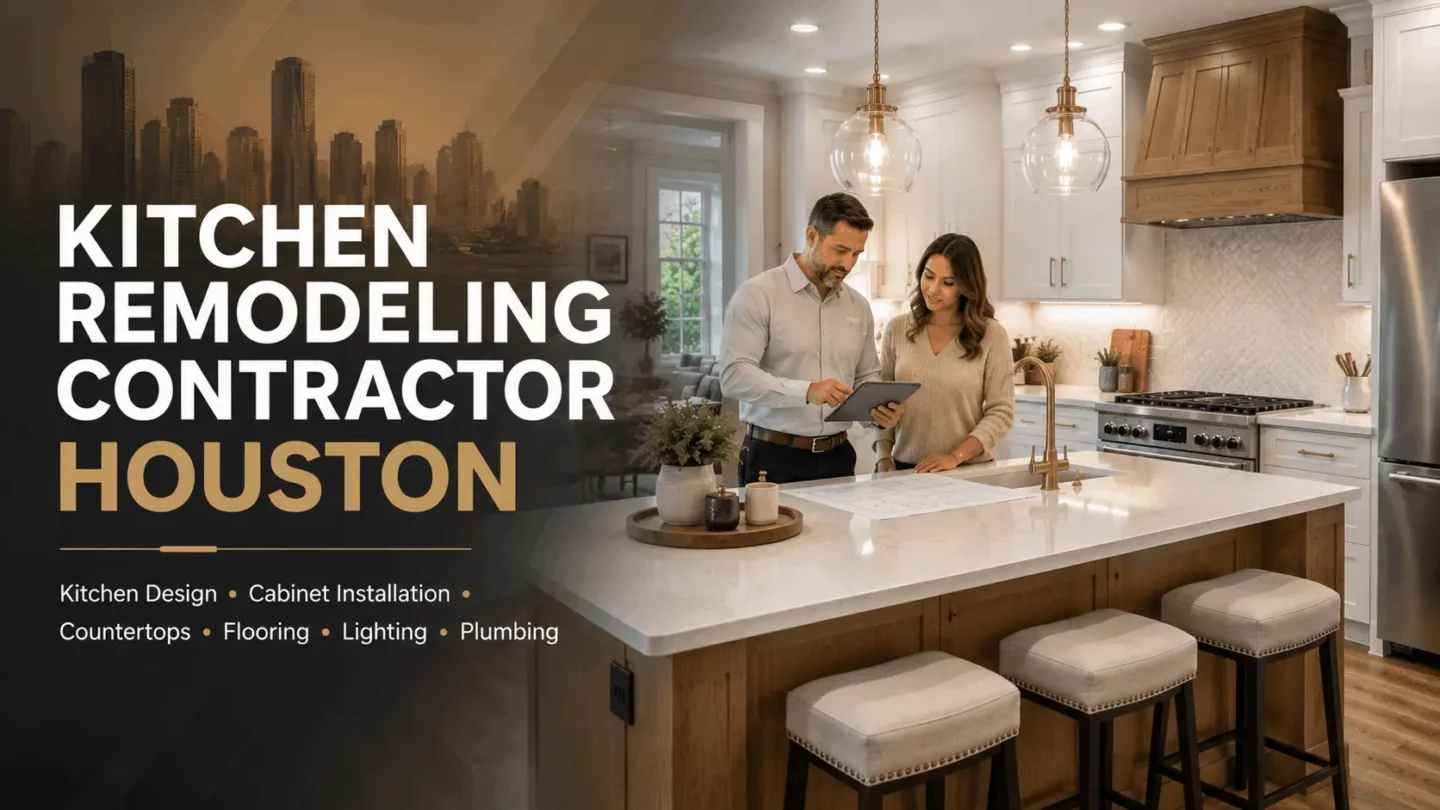
Want a kitchen that fits how you move. Go with the classic work triangle if you have a smaller space and one main cook. Go with work zones if you have a large kitchen, an island, or team cooking. Many homes use a blend. Pick based on how you prep, cook, and clean, not on trends.
What the triangle does well
- The work triangle links the fridge, sink, and range. Picture three points and straight lines between them. You get short walks and less bumping.
- It shines in small and mid kitchens. Galley and L-shaped rooms love it.
- The goal is simple. Keep trips short. Keep the sink at the center of action. Keep the cook from getting trapped.

What zones do well
- Work zones split the room by task. Prep zone. Cooking zone. Cleaning zone. Snack zone. Coffee zone. Baking zone. You get spots that match how you live.
- It shines in open plans and big rooms with islands. Great for more than one cook.
- Zones help when you have special gear. Think a second sink, a wall oven, a beverage fridge, or a stand mixer that stays put.
How to choose the right plan for your home habits
Grab a pen and a sticky note. Walk through a normal dinner night in your head. Ask these quick questions.
- Where do you grab food first. Fridge or pantry.
- Where do you wash produce. Main sink or prep sink.
- Where do you chop. Island, counter by the sink, or a cutting board you pull out.
- Where do pots live. Near the range or in a drawer by the island.
- Who cooks and who cleans. One person or the whole crew.
- Do kids grab snacks while you cook.
- Do you bake on weekends.
- Do you meal prep on Sundays with lots of containers.
If it is mostly one cook, tight space, and simple gear, the triangle is a strong fit. If you have helpers, a big island, or lots of gadgets, zones win. If you cook alone on weekdays but host big game nights, plan a hybrid. Triangle for daily flow, plus a snack and drink zone out of the cook’s lane.
Real Houston kitchens, real patterns
Houston homes cover many sizes and ages. A Heights bungalow may have a compact galley. A new build near Katy Freeway may have a big island and a pantry the size of a small room. Townhomes near Washington Avenue often squeeze the kitchen between living spaces. Each case calls for a plan that fits the bones of the house and the way you move.
What we usually see in Houston, TX
- Older homes with small rooms do well with a tight triangle and smart storage.
- New builds with open plans do well with zones around a big island and a walk-in pantry.
- Homes with outdoor kitchens near the patio need a pass-through zone for trays and drinks.
Space rules that save steps
- Triangle sides should be neither tiny nor huge. A good range is about 4 to 9 feet each.
- Add up the three sides. A good total is about 13 to 26 feet. Shorter gets cramped. Longer turns cooking into a hike.
- Keep paths clear. Walkways for through traffic do well at 36 inches or more. Work aisles near the range and sink do well at 42 inches or more, or 48 if two cooks share the space.
- Leave landing spots. Next to the fridge, range, and sink, keep at least 12 to 18 inches of counter to set things down fast.
- Island width and gaps matter. An island of 36 to 42 inches wide works in many homes. Leave at least 42 inches between the island and counters near the range.
- Think vertical. If floor space is tight, go up with wall storage and shallow pullouts.
Where zones shine and how to map them
Prep zone
- Close to the sink, knives, cutting boards, trash, and compost or bin.
- Keep produce bowls and a roll of paper towels there.
- Add a pullout for spices and oils if you season while you chop.
Cooking zone
- Center on the range or cooktop. Store pots, pans, lids, and stirring tools nearby.
- Keep a small landing spot on both sides of the range if space allows.
- Hold oven mitts and sheet pans close if you have a wall oven.
Cleaning zone
- Sink, dishwasher, dish soap, scrubbers, drying towels, and bins for recycling.
- Put the trash pullout here or in the prep zone. Many cooks like it between sink and prep so scraps drop fast.
Snack and drink zone
- Put a beverage fridge or drawer away from the main lane so kids and guests do not cut through your path.
- Keep cups and snacks there. Add a microwave if you reheat a lot.
Coffee station
- A small stretch with mugs, filters, spoons, and the machine. Near water is nice. Keep it out of the cook’s lane.
Baking corner
- A spot with a lower counter can help with rolling dough. Keep flour, sugar, and the mixer there. A mixer lift in a base cabinet can save your back.
Pantry zone
- Place near the fridge to combine grocery unloads. Label bins so family helpers put things back right.
Hybrid made simple
You can keep a solid triangle for daily tasks and layer zones at the edges. Place a coffee station near the breakfast nook. Carve a snack zone by the fridge but on the side that faces the family room. Add a small prep sink at the island to turn it into a second prep zone when friends help.
An anecdote from the field
A client near Memorial had a huge island that looked great but cooked slow. The trash was across the room. He said, Why do my onions cross more miles than my truck. We slid the trash pullout under the island next to the cutting board and put knives on a magnetic strip. Now his onions do not need a passport. Small move. Big daily win.
Appliances and the plan
- Fridge placement. If you live off leftovers and snacks, keep the fridge on a path that does not cross the cook. If meal prep rules the week, put it closer to the sink and prep counter.
- Range and hood. Avoid corners. Leave space on both sides. Place a strong hood that vents outside to fight Houston humidity and cooking smells.
- Dishwashers. If two cooks work, consider a second dishwasher or drawer model. Place it on the side that suits your main hand so you do not cross the sink with wet plates.
- Microwave. Put it at kid height if they warm their own food. Keep it out of the main prep lane.
- Wall ovens. If you bake a lot, put them near the prep zone with a landing counter right next to the door.
Houston heat, storms, and your kitchen
Summer heat and sticky air affect more than comfort. High humidity asks for good venting. A ducted hood that vents outside helps pull steam and grease out fast. Good air flow keeps cabinets and walls cleaner and helps paint last longer. During storm season you may cook more indoors while windows stay shut. Keep extra landing space to handle trays and bigger prep days. If you love outdoor cooking, plan a pass-through zone near the patio door so hot plates do not cross the whole room.
Materials that play nice with humidity
- Quartz counters handle spills and steam with little fuss.
- Tile or easy-clean backsplashes near the range stop grease from soaking in.
- Soft-close hinges and slides rated for heat and humidity last longer than bargain parts.
- Under-sink mats and a leak sensor can save a cabinet if a small drip starts.
Storage that supports your flow
- Drawers beat doors for pots and pans. You see everything and do not reach into a dark cave.
- A tall pullout near the range can hold oils, vinegar, and spices.
- A tray divider keeps sheet pans on edge so you do not play kitchen Jenga.
- A knife drawer or wall strip near the prep zone speeds up chopping and keeps counters clear.
- Trash and recycle pullouts near prep and clean zones cut steps and mess.
Safety notes that matter
- Keep GFCI outlets near sinks. Water and electricity are not friends.
- Watch clearances near the cooktop, especially with gas. Check the hood height per the maker’s guide.
- Plan kid zones away from the range. A snack drawer on the fridge side keeps tiny hands out of hot lanes.
- Round island corners help avoid hip bruises in tight rooms.
Layouts and how the plans fit
Galley kitchens
Great match for triangles. Keep the sink and range across from each other with the fridge at one end. Add zones at the ends, like coffee on one side and baking on the other.
L-shaped kitchens
Triangle works well here too. Put the sink at the corner leg with prep on one side and range on the other. Zones can grow along the free wall.
U-shaped kitchens
Strong for tight triangles. Lots of counter wraps around you. Add a small pass-through or a snack shelf to keep kids out of the U while you cook.
Island kitchens
Zones shine. Turn the island into a prep or baking hub. Add a prep sink if space allows. Keep the main triangle solid by placing the fridge and range on the perimeter with the sink on the island.
Peninsula kitchens
Hybrid time. Use the peninsula for seating or prep. Keep traffic on the outside lane so the cook has a clear path.
Traffic and team cooking
If you cook alone, keep the triangle tight and the main lane clear. If friends help, set up a second prep zone on the island with its own knives and trash. If kids snack during dinner rush, park a snack drawer and a beverage fridge near the family room side. That way they can fill up without fishing through hot zones.
Troubleshooting while you plan
- If your sink is in a corner and you bump elbows, shift the dishwasher to the other side or slide the sink a few inches to gain space.
- If your fridge door blocks a walkway, switch the hinge side or move the handle side toward open space.
- If helpers crowd the cook, add a second cutting board, a knife set, and a small bin on the island to build a true prep zone.
- If trash is far from prep, add a pullout under the main chop spot.
- If your hood leaves steam on cabinets, check the CFM rating and vent path, then step up to a ducted model that vents outdoors.
- If you trip over stools, trim the island overhang or pick push-in stools that park flush.
- If pots live across the room, change base cabinets near the range to deep drawers with dividers.
Common myths and facts
- Myth. Every kitchen needs a triangle. Fact. Many open plans work better with zones or a hybrid.
- Myth. Bigger islands are always better. Fact. A too-wide island can hurt reach and slow prep.
- Myth. Two sinks are only for chefs. Fact. A small prep sink can split tasks and cut steps in family kitchens.
- Myth. Zones are only for huge homes. Fact. Even small spaces can map a snack or coffee zone outside the main lane.
Little habits that boost speed
- Keep a small compost or trash bin at your elbow when chopping.
- Store knives, cutting boards, and towels at the prep spot, not across the room.
- Mount a magnetic strip for knives. No more drawer digging.
- Use drawer inserts so tools do not pile up like a junk drawer tornado.
Lighting that fits the plan
- Ambient lighting fills the room. Recessed lights do well with dimmers.
- Task lighting helps where you work. Under-cabinet strips over prep and cook zones cut shadows.
- Accent lighting can mark zones. A pendant over the island says prep happens here.
- Use bright, warm bulbs so steak looks like steak, not a mystery.
A quick talk about heights
- Standard counter height works for most. If your back aches while chopping, a taller island can help.
- If you love to bake, a lower counter section helps with heavy dough work.
- Place the microwave where you can lift hot bowls without a shoulder shrug. Eye to chin height is a good check.
Small kitchens that still cook big
Tight galley near Montrose. Keep the triangle tight, slide in a slim pantry pullout, and swap lower doors for drawers. Put a coffee shelf at the end cap so mornings do not cross the cook lane. Use a fold-out wall table for a quick extra landing spot when you need it.
Big family hubs in suburban builds
Large open plan near Beltway 8. Map zones. Prep and clean on the island with a second sink. Cooking at the range wall with a strong hood. Snack and drink by the family room side. Coffee near the breakfast nook. A mudroom hook near the pantry door so grocery unloads are quick.
Remodel moves that give the most return in daily comfort
- Move the fridge to stop door wars in traffic paths.
- Add a prep sink on the island to split tasks.
- Convert a blind corner to a pullout or a lazy susan so you stop losing gear to the dark corner.
- Add under-cabinet lighting to fix shadows right away.
- Widen the range aisle if the handle keeps bumping into you.
Keep the plan flexible
Life changes. Maybe you start meal prep Sundays. Maybe kids get old enough to help. Use adjustable shelves, modular drawer inserts, and a rolling cart that can park in a pantry when not needed. A simple cart can become a mobile baking zone or a party bar when friends come over.
Care schedule for a kitchen that keeps moving
Weekly
- Clear counters and return tools to their zone.
- Wipe range, hood filters, and backsplash near the cook zone.
- Empty and wipe trash pullouts and the bin near the prep zone.
- Check that knives and boards are clean and ready.
Monthly
- Clean hood filters in warm soapy water.
- Re-sort pantry bins and toss stale snacks from the snack zone.
- Tighten loose handles on drawers near heavy-use zones.
- Check caulk around sinks and touch up if you see gaps.
Yearly
- Test GFCI outlets near sinks.
- Pull the fridge and vacuum coils so it runs cooler in Houston heat.
- Inspect for small leaks under sinks. Replace worn supply lines before they fail.
- Re-seal grout or clean it well to combat humidity stains.
FAQs
Q. Which is better for a small kitchen, triangle or zones.
A. Triangle. It keeps steps short. Add mini zones at the edges if you can, like a coffee shelf or a snack drawer.
Q. Can I mix a triangle with zones.
A. Yes. Keep the triangle tight for daily tasks, then add a snack zone or coffee station outside the cook lane.
Q. How far should my island be from the range.
A. Aim for at least 42 inches. If two cooks share the space, 48 inches feels better.
Q. Do I need a second sink for zones.
A. Not a must. A second sink helps if two people prep at once or if the island is your main prep spot.
Q. Where should the trash go.
A. Put a pullout near the prep zone or between the sink and prep. That cuts steps and keeps counters clean.
Q. What hood size works in humid Houston.
A. Pick a ducted hood that vents outside and matches the width of your cooktop. Strong capture and a short, straight vent run help pull steam out fast.
Q. What layout helps with kids and guests.
A. Add a snack and drink zone away from the range. Place cups low and a beverage fridge near the family room side.
Q. My kitchen is long and narrow. Is zoning still possible.
A. Yes. Put prep by the sink, cooking by the range, and a slim snack shelf near the room entry so grab-and-go traffic stays out of the cook lane.
Q. How do I keep island seating from blocking the cook.
A. Use stools that tuck in all the way and set a rule that seats face the family room during dinner rush.
Picking your plan is like picking boots for Texas weather
The right pair fits your stride and the ground you walk. Study your habits, measure paths, and build to the way you cook. Triangle, zones, or a smart blend, the winner is the plan that saves steps and keeps the kitchen calm while the burners go hot.
Ready to plan a kitchen that fits how you prep, cook, and clean. Houston Construction Pro can map your triangle, set up smart zones, and build a layout that fits your home and Houston life. Call 832-810-5377 or visit https://houstonconstructionpro.com to get started.