


A new entry door should tie into a hallway where people can step in, turn, and move without bumping into walls, furniture, or each other. The best spot lines up with the main path to the living area, keeps doors from crashing into each other, and leaves a clean landing space inside. Think of it like parking a truck, you need room to pull in, shut the door, and walk away without scraping anything.
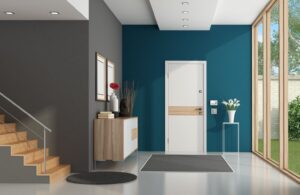
Start with the real goal, easy traffic flow
Most homeowners think the main goal is looks. Looks matter, but function pays the bills.
A good entry and hallway setup should let you do these things with no awkward moves:
- Open the door fully without hitting a wall or a closet door
- Step inside and stand clear of the swing path
- See where to go next without guessing
- Carry groceries, a toolbox, or a sleeping kid without turning sideways
If your entry makes people do the “Houston two step,” shuffle left, pivot right, dodge the shoe pile, then your tie-in point needs work.
If you are already thinking about broader updates that affect traffic flow, Home renovation planning can help the entry connect better to the rest of the home.
The “landing zone” rule, give the door a place to breathe
When you open the front door, you need a small clear area inside. Builders often call it a landing area. Homeowners call it, “Why is everyone stuck right here?”
Aim for a simple setup:
- Clear floor space just inside the door for a safe step in
- A straight shot to the hall or main room
- A spot for a small rug that will not bunch up and trip anyone
Short safety note: if the door opens and your first step lands on a raised threshold, loose rug, or tight corner, that is a stumble risk. Keep the first step simple and flat.
To keep the entry functional, it can help to align hallway changes with the surrounding spaces, including Home addition or Room additions work when layouts are being rethought.
Hallway placement basics, where the door should point you
A front door should point you toward where people actually go. That usually means the living room, kitchen, or a main central hall.
Here are common hallway tie-in patterns that work well.
Pattern A, door opens into a short foyer, then hall starts
This is the “nice and calm” setup.
- You step in
- You have space to breathe
- Then you choose left, right, or forward
This works great when the hall is long or when multiple rooms connect near the entry.
Pattern B, door opens and the hallway runs straight ahead
This can work, but only if the hall is wide enough and not blocked.
- Good for simple ranch layouts
- Good when the hall leads to a main open area
Watch out for a tight tunnel feel. If it feels like walking into a closet, it will never feel welcoming.
Pattern C, door opens and you must turn right away
This is common in older homes and some townhomes. It can still work if you have:
- Enough inside corner clearance
- No door swings colliding at that corner
- Good lighting so guests know where to go
If you have to turn right away and the wall is right in your face, guests will pause, and then traffic stacks up like I 10 at rush hour.
When entry changes also affect exterior finishes or weather exposure, it may pair naturally with Siding services or Roofing services planning for better protection at the front of the home.
Door swing, small detail, big impact
Door swing is not exciting, but it can make or break the hallway.
Ask two questions:
- Should the door swing inward or outward?
- If inward, should it swing left or right?
In most cases, an inward swing is common for a front door. Yet some setups benefit from an outward swing, but it must be planned with care for weather and security hardware.
Inside swing tips:
- Pick a swing that puts the handle side near a clear wall section
- Keep it from smashing into a closet door, pantry door, or a light switch area
- Make sure the open door does not block the main hallway path
A quick “real life” test helps. Stand at the entry. Pretend your hands are full of grocery bags. Now open the door and step in. If you have to do a little dance, adjust the plan.
Keep the floor plan easy, what “easy to use” really means
Easy means a normal day goes smoothly.
- Two people can pass without shoulder checking
- Kids can run in without slamming into a corner
- Furniture can move in without scraping every wall
Here are practical layout targets that help:
- A hallway that is not pinched right at the entry
- A clear sight line to the next space
- Storage that does not steal walking room
If you need a coat closet near the entry, great. Just do not place its door so it fights the front door.
Layout adjustments often connect to other interior work like Kitchen remodeling or Bathroom remodeling when sight lines and traffic routes change.
Tie-in to structure, what changes when you move an entry door
Moving an entry door is not like moving a lamp. The tie-in touches real building parts.
Common items that may need changes:
- Framing in the wall, studs and headers
- The exterior opening size
- Siding, brick, or stucco patching
- Interior drywall and trim
- Flooring tie-in in the hallway
- Electrical, like relocating switches or adding a light
Short safety note: structural changes should be handled by a pro crew. Cutting wall parts without a plan can cause sag, cracks, or doors that never shut right.
For a general overview of how exterior walls carry loads, you can review https://en.wikipedia.org/wiki/Load-bearing_wall.
Flooring tie-in, avoid the “patchwork quilt” look
When the new door lands in a new spot, the hallway flooring may need a clean tie-in.
Good tie-in goals:
- The flooring runs in a way that guides your eye down the hall
- Transitions sit where they make sense, not in the middle of the walking path
- The threshold seals well to block water and air
If the hall has tile and the entry has wood, the transition strip should be flat and secure. No toe stubs.
If flooring changes become part of the plan, coordinating with Flooring installers can keep the hallway tie-in clean and consistent.
Light and sight lines, stop walking into the dark
Houston gets bright sun, then a fast afternoon storm rolls in. Your entry needs lighting that stays useful in both.
Good entry lighting does two jobs:
- Helps you find the lock and handle at night
- Helps you see the hall path right after you step inside
If the new door opens to a long hallway, add lighting that prevents a dark tunnel. A simple plan uses:
- A ceiling light or two in the hall
- A switch placed where your hand naturally goes
- Optional motion lighting if you want hands free entry
Weather in Houston, TX, heat, humidity, and hard rain change the rules
Houston weather can be rough on entry doors and the area around them. Heat and humidity can make wood move. Heavy rain can find tiny gaps.
Plan for:
- Good weatherstripping to keep humid air out
- A tight threshold seal to reduce water sneak in
- A covered entry if the door is exposed to wind driven rain
If your home is near areas that get quick downpours and splash back, door placement under an eave or small porch roof can help. Even a little cover goes a long way.
Cold snaps happen too. When they do, drafts show up fast. A well sealed door and a smart hallway tie-in can cut that “cold air river” that runs down the hall.
For local preparedness and storm guidance, you can reference https://www.ready.gov/hurricanes.
What we usually see in Houston, TX
In many Houston homes, the front door tie-in runs into a tight hallway or a small entry that has been slowly taken over by shoes, backpacks, and that one chair nobody sits in.
Common issues we run into:
- Door swing collides with a closet or bathroom door near the entry
- The first hallway section narrows right at the door
- Floors dip or swell near the threshold from past water leaks
- Weatherstripping is worn, so humidity sneaks in and the door sticks
We have seen this in neighborhoods near The Heights and along Memorial Drive where older layouts can have sharp turns and small entries.
A simple measuring check before you commit
You do not need fancy tools to start thinking straight.
Try this:
- Tape out the door swing on the floor
- Tape out the hallway walking path
- Walk it with a box in your hands
If you hit tape “walls,” the layout is telling you something. Listen to it.
Troubleshooting steps you can use right now
- If the door hits a nearby door when opened, then swap the swing side or move that nearby door location.
- If people step in and block the hall, then add a small foyer space or shift the door so the hall starts a few feet away.
- If the hallway feels like a tunnel, then widen the opening into the next room or add lighting and a clear line of sight.
- If rainwater shows up at the threshold, then check slope, threshold seal, and exterior cover.
- If the door sticks in summer, then check frame square, weatherstripping fit, and moisture control.
- If the entry looks messy fast, then add storage that does not eat hallway width, like a shallow closet or wall hooks.
Common myths and the real story
Myth: “Any spot on the front wall works if the door fits.”
Fact: The tie-in must match the main walking path or your hallway will feel cramped.
Myth: “A bigger door always fixes the entry.”
Fact: If swing and clearance are wrong, a bigger door can make it worse.
Myth: “If the door is sealed, rain will never be a problem.”
Fact: Wind driven rain can push water into weak spots, placement and cover still matter.
Myth: “Hallways are just for walking, so layout does not matter much.”
Fact: Hallways also carry light, air flow, noise, and daily traffic.
Hallway friendly entry ideas that still look good
You can keep function and still have curb appeal.
Consider these options:
- Add a small sidelight window to bring light in without moving walls too much
- Use a slightly offset entry that creates a mini foyer inside
- Add a bench or hooks on a wall that does not pinch the walking line
- Place a slim console table only if you still have clear walking room
A good entry is like a good handshake. It is firm, clear, and not awkward.
Care schedule for your entry door and hallway area
Weekly
- Shake out or vacuum the entry rug
- Wipe the threshold so grit does not grind into seals
Monthly
- Check weatherstripping for gaps or tears
- Tighten loose screws on the handle and hinges
- Look for new rub marks on the door edge that hint at shifting
Yearly
- Inspect caulk lines outside around trim
- Check the sill and threshold for soft spots or staining
- Test the door alignment, it should latch without lifting or slamming
- Repaint or refinish as needed based on door type and exposure
After major storms
- Look for water at the inside corners of the entry
- Dry any damp spots fast to avoid swelling and odor
FAQs
Where should a new front door connect to the hallway?
It should connect where you can step inside, clear the swing path, and move straight into the main route through the house without sharp turns.
Can I move my front door without changing the hallway?
Sometimes, yes. Yet many moves change framing, flooring, and wall space, so the hallway often needs at least small changes to keep it usable.
What is the best door swing direction for a tight entry?
Pick the swing that keeps the open door out of the hallway walking line and away from other doors. A site visit helps, since each plan is different.
How much space should be clear inside the entry?
Enough for an adult to step in, close the door, and turn without bumping into furniture or a wall corner. More space helps if your household is busy.
Does Houston humidity affect entry doors?
Yes. Humidity can cause swelling and sticking, and it can stress weatherstripping. Good sealing and proper fit help a lot.
What are signs my entry layout is not working?
People pause right inside the door, doors collide, the hall feels pinched, rugs curl up, and the area stays cluttered because storage is in the wrong spot.
Is it safe to cut a new door opening in an exterior wall?
It can be safe when handled by a qualified crew that handles framing and support correctly. Do not treat it like a simple weekend cutout.
Should I add a covered porch if I move the door?
If the new door is exposed to wind driven rain, a cover can help protect the threshold and reduce water trouble.
Ready to improve your entry door placement?
Ready to improve your entry door placement and make your hallway easy to use? Houston Construction Pro can help plan the tie-in, handle framing, door install, trim, and the hallway updates that keep your home comfortable in Houston weather. Call (832) 810-5377 or visit https://houstonconstructionpro.com to set up a visit.
You can also reach the team here: Contact Us.


