Introduction
If you want fast extra space with less mess and no stairs, a bump-out is the easy pick. If you need a big jump in space, and your yard is tight, a second story can be worth it. Bump-outs change walls and foundation a bit. Second stories need stairs, stronger framing, and roof work. Houston heat, storms, and flood zones also matter.
What a bump-out really adds
A bump-out pushes an exterior wall out by a few feet. You get more room where you need it most. Think bigger kitchen, deeper family room, or a primary suite that finally fits a real closet. It stays on the same floor you already use. No stairs. Less life chaos. You keep more of your yard and your roof stays mostly put.
Most bump-outs use your current foundation line or add a short footing. Open a wall, frame the new area, tie in the roof, and you are on your way. Fewer trades inside your home. Fewer rooms closed off. The work zone is smaller and easier to seal from dust. You can still make dinner and watch the game without weaving around ladders.

What a second story really adds
When you go up, you add a whole new story. Bedrooms, a game room, maybe a home office, all on a fresh floor. It is great when your lot is tight or your yard is your pride and joy. By contrast, it brings stairs and a bigger change to your house. Your roof gets opened. Your framing needs more muscle. You also think about cooling, windows, and sound.
A second story can clear flood worries in some areas by moving bedrooms and storage higher. It can also help split noisy zones and quiet zones. Kids upstairs, calm living downstairs. It is a big step, yet it can reset how your home works for many years.
Disruption at home
Let’s talk real life. You want to keep your routine. With a bump-out, the crew works on one side of the house. The dust stays in one zone. Most of the time, water and power stay on. Your front door still opens. Your pet can nap in peace in another room.
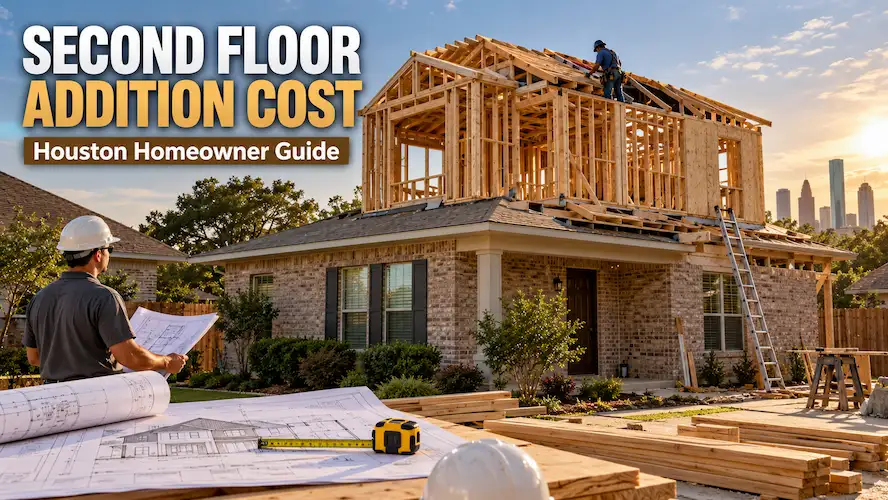
A second story turns the dial up. Your roof is open for a time. Stairs get framed in the middle of your home, which means cutting into the first floor. You may need to step out during some parts. You plan for plastic walls, extra noise, and more trucks on your curb. A good plan and good timing help a lot. Clear paths, safe walkways, and a clean jobsite keep stress lower.
Stairs, layout, and daily life
Stairs change how you move. They take floor space on both floors. You need clear headroom, safe treads, and a railing that feels solid. Think about how you carry laundry or groceries. Where will the stair start and end. Will it block a window. Can you tuck it near the entry, or use space near a hall you do not love.
No stairs with a bump-out. That is a win for knees, toddlers, and dogs. Your daily steps stay the same. You just get a bigger box to live in. You set the new space to blend with your rooms. The flow can feel natural because it is all on one story.
Structure and permits in Houston
Houston homes sit on slab or pier and beam. Bump-outs on slab can add a short stem wall or a small footing. Pier and beam can work with extra piers and beams tied into the old layout. It is simple to read and simple to build when the span is short.
Going up is different. The first floor must hold the weight of a new story. That can mean stronger posts, beams, or new shear panels. Roof comes off, then back on. The plan must meet wind bracing rules, window egress rules, stair rules, and more. City of Houston reviewers want clear plans. A clean plan speeds things up. An engineer stamps the load path, so the new floor feels solid and safe.
Heat, humidity, and Houston weather
Heat and humidity here are no joke. A bump-out adds less roof and less wall, so it is easier to keep cool. With smart insulation and good shade, it blends with your current system. Still, check ducts. Long duct runs can sweat in hot attics. A short, well sealed run saves energy and keeps temps steady.
A second story sees more sun and wind. Summer heat stacks up upstairs. You want proper attic venting, radiant barrier, and the right unit size. Windows need shade and low-e glass. Storms bring heavy rain, so flashing and roof ties must be spot on. Gulf wind wants to push and pull, so strong connections from roof to foundation matter.
Space math you can feel
Picture your kitchen. Move the wall out 4 feet across 15 feet of width. You gain 60 square feet right where you cook and hang out. Now you can fit an island, or a real table. That change feels big without a life reset.
Picture a second story. You add a full floor plate of 1,000 square feet, give or take your plan. That space can hold three bedrooms and a den. It is a leap, not a step. Both paths work. Pick the one that fits your life and your lot.
A quick Houston story
We built a second story for a family in The Heights. Their lot was tight, the oak tree was a keeper, and they did not want to lose the small yard they had. We tucked stairs near the entry and made a kid zone upstairs. They kept the charm downstairs and gained sleep space above.
We also did a kitchen and dining bump-out near Meyerland. They wanted to keep everything on one floor. The old galley kitchen felt like a skinny hallway. We pushed the back wall out by a few feet. The new space fit a wide island and a table for eight. No extra stairs, no roof tear-off, and dinner was back on.
What we usually see in Houston, TX:
- Slab homes take to bump-outs fast, with short footings and simple tie-ins.
- Second stories shine on tight lots, where side setbacks squeeze bump-outs.
- Flood zone families often prefer bedrooms upstairs, so storage and peace stay dry.
Yard, setbacks, and lot shape
Your lot can make the choice for you. If you have side or rear setbacks that leave little room, a bump-out might be hard. If your yard is deep, a bump-out can fit like a glove. Easements, utility lines, and trees can also set the path. A survey and a quick walk tell a clear story. The idea is to grow smart, not fight the site.
HVAC, plumbing, and electrical
Add space, and these systems must keep up. A bump-out often shares the current system, with a small duct branch and a few outlets. It is simple to balance air and keep rooms even. You still seal ducts, add returns as needed, and size vents right.
A second story may need a new air unit, fresh ducts, and new runs for water lines. Drains must slope right. You plan for vent stacks and chases so pipes stay out of sight. Electrical panels may need more spaces. Safety first with GFCI, AFCI, and smoke alarms tied together. It sounds like a lot, yet with a clear plan it goes smooth.
Noise, light, and sound control
Bump-outs can cut noise if you add solid windows and insulation. They can also bring more light with a bigger glass area. Think about shade to avoid glare in summer. A simple overhang works wonders.
Second stories need sound control between floors. Use dense insulation and sound strips under floor sheathing. That keeps foot steps softer. Good layout helps too. Put the stairs near shared zones, not next to the quiet corner you love.
Roof and water control
With a bump-out, the new roof ties into the old one. Valleys and step flashing must be neat to shed water. Gutters should be sized to move heavy rain fast. Houston storms can pound a roof. A tight tie-in keeps walls dry.
A second story means a full new roof. That is a chance to fix old issues. Use proper underlayment, correct flashing, and strong roof ties. Seal all roof penetrations. Keep the attic dry and vented. Your future self will thank you when August hits 100 degrees.
Safe build and living tips
- Keep kids and pets away from the work zone.
- Ask for daily cleanup so nails and splinters stay out of walkways.
- Wear shoes in the home during the build.
- Use clear plastic walls to block dust when rooms are open.
- Check smoke and CO alarms after electrical work.
Troubleshooting steps for choosing your path
- If your lot is narrow or has tight setbacks, then go up with a second story.
- If you want to avoid stairs for kids or knees, then pick a bump-out.
- If you need more than two new rooms, then go up to gain a full story.
- If you want less mess and a shorter build, then choose a bump-out.
- If your yard is your oasis and you do not want to lose it, then add a second story.
- If you want a bigger kitchen or family room only, then a bump-out fits best.
- If your roof is old and due for change, then a second story can reset the roof too.
- If your slab edge is easy to reach and soil is steady, then a bump-out is simple.
- If your area floods and you want bedrooms higher, then a second story brings peace.
- If your panel is maxed out and ducts are weak, then plan for bigger system changes with a second story.
Common myths and facts
- Myth, second stories always look boxy. Fact, with smart roof lines and trim, they blend well with old homes.
- Myth, bump-outs are too small to matter. Fact, a few feet in the right spot can change how you cook, eat, and sit.
- Myth, stairs eat half the house. Fact, a well placed stair can fit in a hall or near the entry with smart framing.
- Myth, Houston heat makes upstairs rooms hard to cool. Fact, right insulation, shade, and duct layout keep temps even.
How long each path can take
Every home is different, and plan checks matter. A bump-out often moves faster because the roof stays mostly intact and the footprint change is small. A second story takes longer since you open the roof, add stairs, and run more systems. A clear plan, quick answers, and steady crews keep things on track.
Budget drivers without numbers
We will not talk prices here. Here are the drivers you will hear about:
- Structural upgrades for going up versus small footings for bump-outs
- Roofing work and waterproofing
- HVAC changes and new ducts
- Window count and size
- Trim, cabinets, and finish choices
- Permit, engineering, and inspections
Each choice shapes the path. Keep must-haves short and clean. Put nice-to-haves on a wish list. That keeps focus on what your family needs most.
Design, form, and curb appeal
Bump-outs keep your curb look close to what you have. A small roof tie-in and matched siding blend in. You can add a porch or small roof where it helps with rain.
Second stories change your street look more. You can match your style with window grids, laps in siding, and simple trim lines. Line up upper windows with the ones below. Keep the mass balanced. Your home will look like it grew that way from day one.
Life during the build
Here is how you keep your day moving:
- Pick start dates that avoid big life events.
- Clear space for crews to stage tools and materials.
- Plan where you will cook if your kitchen is in the work zone.
- Ask for a weekly check-in to stay on the same page.
- Be ready to make small calls fast, like outlet spots or light switch spots.
Energy and comfort
Houston homes fight heat and humidity. That fight is won with air sealing, insulation, and smart shading. On a bump-out, seal the new wall to the old one with care. In a second story, block attic leaks and keep ducts inside the insulated shell when you can. Add returns to rooms that now sit far from the air handler. Use fans to move air, and shade the south and west walls.
Accessibility and aging
If you plan to stay long term, think about stairs now. If stairs will be hard later, keep your primary suite on the first floor and bump out that area. Use a wide door and a roomy shower. If you go up, place laundry on the same floor as bedrooms to cut trips.
Storage and clutter control
Bump-outs add space in tight spots, like a pantry or mudroom. Hooks, benches, and cubbies help wrestle everyday clutter. A second story can bring walk-in closets and a game room with built-ins. Think storage under stairs too. That space can hide cleaning tools or a pet nook.
Lighting and windows
Light lifts a room. In a bump-out, set windows low enough to see the yard. Add a small awning window near a cooktop for steam. In a second story, add eave windows for cross breeze. Use overhangs to shade glass. One dimmer can do more for mood than you think.
Moisture and mold control
Houston air holds water like a wet towel. Keep it out. Flash windows right. Use housewrap with clean laps. Slope sills. Vent bathrooms to the outside, not the attic. Seal around can lights. In a second story, make sure the attic floor is airtight so moist air does not sneak up.
Future resale and use
Bump-outs shine when the change matches daily life. A bigger kitchen or family room sells. Second stories can widen the buyer pool with more beds and a game zone. Keep the plan simple. Odd halls and chopped rooms turn buyers off. Clean lines and clear use win.
Maintenance after you build
New space stays sweet with small care habits. The plan below keeps things tight, dry, and clean.
Care schedule
- Weekly: Check the work zone or new rooms for dust and debris. Wipe window tracks. Run bath fans during showers and for 10 minutes after.
- Monthly: Replace or wash HVAC filters. Look for caulk gaps at sinks and tubs. Test GFCI and AFCI outlets with the built-in button.
- Yearly: Inspect roof tie-ins, flashing, and caulk on the bump-out or second story. Clean gutters and downspouts before storm season. Check paint and siding for chips. Test smoke alarms and CO alarms. Review attic vents and insulation for signs of pests or moisture.
A quick chat you might have with us
You: Will the crew tear up my whole house.
Us: With a bump-out, no. With a second story, we plan the messy days and keep paths safe and clean.
You: Do I need to move out.
Us: Most bump-outs let you stay. Second stories can have short windows when you may want a short stay away, like during roof open days.
You: Will my home feel mixed, old and new.
Us: We match trim, floors, and light lines. It will feel like one home, not two stuck together.
FAQs
Q: Which adds more space, a bump-out or a second story?
A: A second story adds far more space. A bump-out adds targeted space in the spot you pick.
Q: Will a bump-out weaken my foundation?
A: No, not when it is built with proper footing and tied in right. An engineer checks loads and soil. The work follows that plan.
Q: Where should stairs go in a second story addition?
A: Near the entry or a hall works best. You want easy access without cutting up the first floor too much. Clear headroom and safe railing rule the choice.
Q: Is Houston heat a problem for upstairs rooms?
A: Heat rises, yet you can beat it. Use good insulation, air sealing, shaded glass, and duct runs that are short and tight. A right sized unit seals the deal.
Q: Can a bump-out handle a big kitchen island?
A: Yes, if the added width is planned for clear walk space and you have support under the floor where needed. Many homes gain a roomy island with a small bump.
Q: Do I need a new roof for a bump-out?
A: Often no. You tie in at the new section and keep the rest. A second story needs a full new roof since you add a full floor.
Q: How do storms change the plan?
A: Strong roof ties, clean flashing, and sealed walls are key. Gutters must move heavy rain fast. Windows and doors get proper anchors.
Q: Will permits slow me down?
A: Good plans move faster. Clear drawings, engineered details, and quick responses to city comments keep things steady. Houston reviewers look for code items and safety.
Q: What if my lot is tiny?
A: Going up may be best. You keep your yard, meet setbacks, and gain more rooms without pushing walls out.
Picking your path
Ask yourself three simple things. How much space do I need, and where do I need it. How much change can my daily life handle during the build. What does my lot and structure allow without a fight. Your answers will point to a bump-out or a second story faster than you think. Measure your must-haves, look at your lot, and picture your day. That picture will be clear.
A few bright ideas before you start
- Keep plumbing close to old plumbing if you can. Fewer holes, fewer parts to adjust.
- Group windows for style and shade. Fewer big cuts look clean and save work.
- Plan storage early. A coat closet or pantry can hide in plain sight.
- Keep halls short. Go for rooms that open into rooms.
- Add blocking in walls for future grab bars or shelves. It is easy now, hard later.
Why Houston homes choose each path
Bump-out fans want speed, less mess, and no stairs. They aim to improve the space they use all day. Kitchen, family room, or main suite. Second story fans need more rooms and privacy. They want to keep the yard and spread out with a fresh floor. Neither path is wrong. The right pick is the one that fits your lot, your needs, and your timeline.
Final thought, no fluff attached
Space should serve your life, not rule it. Pick the path that keeps your day calm and your home strong in Houston heat and rain. Build what you will use the most. The rest is icing on the cake.
Houston Construction Pro can help
Ready to plan your bump-out or second story with a crew that knows Houston soil, weather, and codes. Houston Construction Pro handles design help, permits, framing, MEP trades, and clean finishes, so your space works and looks right. Call 832-810-5377 or visit https://houstonconstructionpro.com. We will listen, map a clear plan, and build the space that fits your life.